Inside the role of Avia Solutions Group’s Head of Aviation Safety
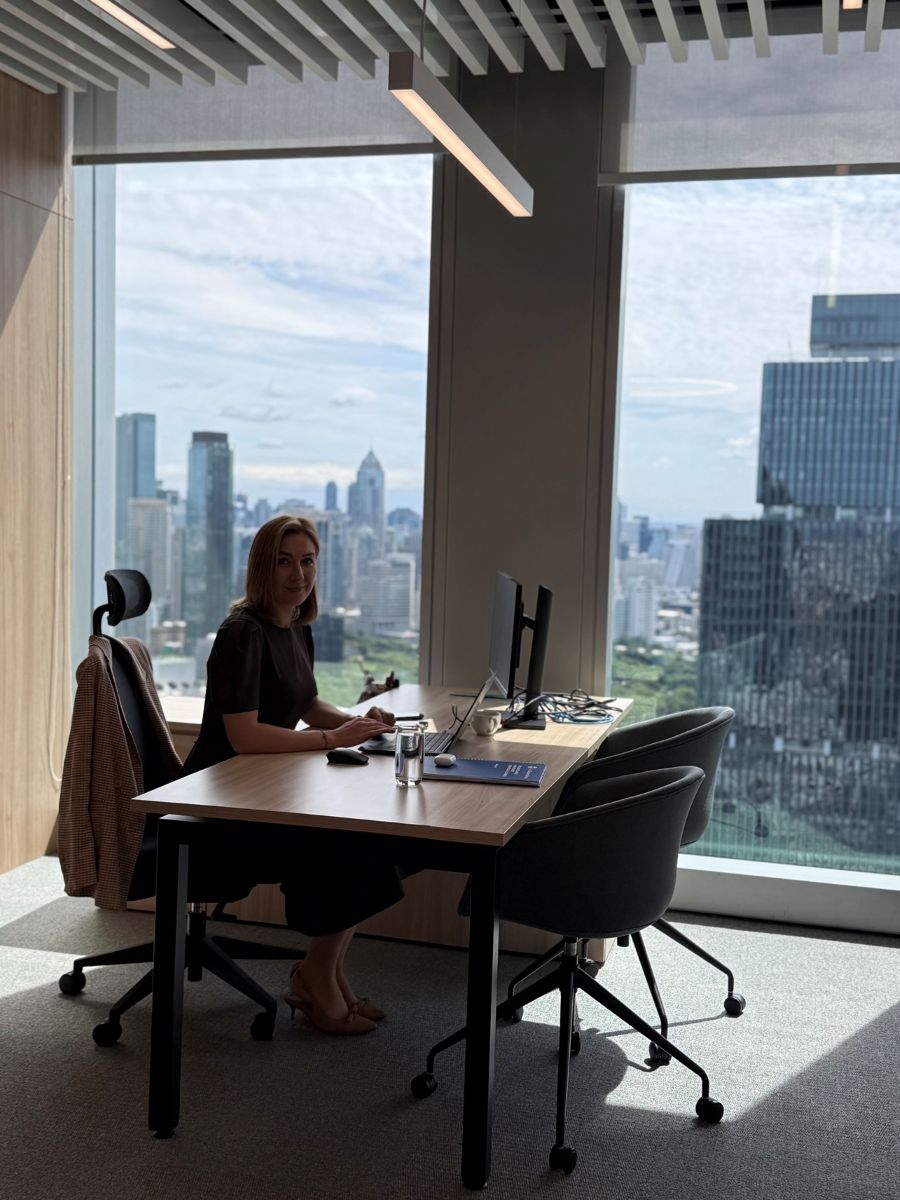
 Ugne Maciejauskaite, Head of Aviation Safety at Avia Solutions Group, began her career coordinating pilot training. Today, she oversees safety across a global aviation group, splitting her time between Lithuania and Asia. She believes aviation offers opportunities for people from many backgrounds — and that working in such a diverse, international environment builds not only professional expertise, but also emotional intelligence.
You studied sociology and worked in market research, yet almost fifteen years ago, you made the leap into aviation. What inspired that change?
For many years, I worked at a company unrelated to aviation, but eventually I realized I was ready for new challenges. While looking for opportunities, I stumbled across a job opening for a pilot training coordinator — completely by chance.
With experience coordinating various projects, I decided to give it a try, even though I wasn’t entirely sure what the role would involve. The recruitment process was quick, but it wasn’t until after my first interview that I explored the company, BAA Training, and its work. In 2011, I was struck by how modern and forward-thinking it was — and I knew immediately I wanted to be there.
Over the past fifteen years in aviation, I’ve met many people who entered the industry because their parents or even grandparents were pilots, mechanics, or cabin crew. In other words, aviation is contagious. I was the first in my family to step into this world, and later my sister followed. Seeing that aviation is accessible to anyone, she started as a flight attendant and has since built a successful career within one of Avia Solutions Group’s companies.
So, can we debunk the myth that aviation is a closed world that’s hard to break into?
Absolutely — just like the idea that the industry only has jobs for pilots and cabin crew. In my early years, I often heard people say, “Wow, you work in aviation? That’s fascinating! Was it hard to get your pilot’s license?” In reality, aviation relies on professionals from hundreds of different fields — lawyers, sales specialists, even psychologists.
If someone enjoys working in an international environment with clear rules and structure, but also handling many variables and constantly changing circumstances, there are plenty of roles in aviation where they can thrive.
Let’s talk about these constantly changing circumstances. Are they so common because aviation is such a complex field?
Absolutely. Aviation is made up of many interconnected parts — different departments, each with its own responsibilities. If something is overlooked, it can impact the entire operation. That’s why even the smallest action is carefully monitored and double-checked.
It’s also one of the most heavily regulated industries. Every aircraft component is detailed in the manufacturer’s manuals, leaving almost no room for interpretation — a mechanic anywhere in the world knows exactly what to do. But flight operations bring far more variables: shifting weather, different airports and runways, even birds and wildlife. Not every situation can be predicted or found in a textbook.
You oversee safety for an entire aviation group. How does that shape your role?
Safety and compliance leadership positions are required by international aviation organizations — every company must have them. The Group-level role at Avia Solutions Group was created three years ago because the group, which manages a fleet of over one hundred aircraft, places exceptional focus on aviation safety and recognizes the value of this position.
My main responsibility is to assure board members and investors that all operations run smoothly and that potential risks are identified and managed promptly across each company. I work closely with CEOs and other leaders, providing safety recommendations and sharing best practices from across the group.
When we establish new airlines, rapid growth is always the goal — aviation is highly competitive. That’s why it’s crucial to equip new companies with guidance and tools to quickly implement strong safety processes. After launching airlines in Asia, we realized that cultural differences meant guidelines alone weren’t enough. To ensure effective safety implementation, being on the ground was essential. Today, I split my time equally between Europe and Asia.
Avia Solutions Group operates hundreds of companies worldwide. What cultural differences do you encounter?
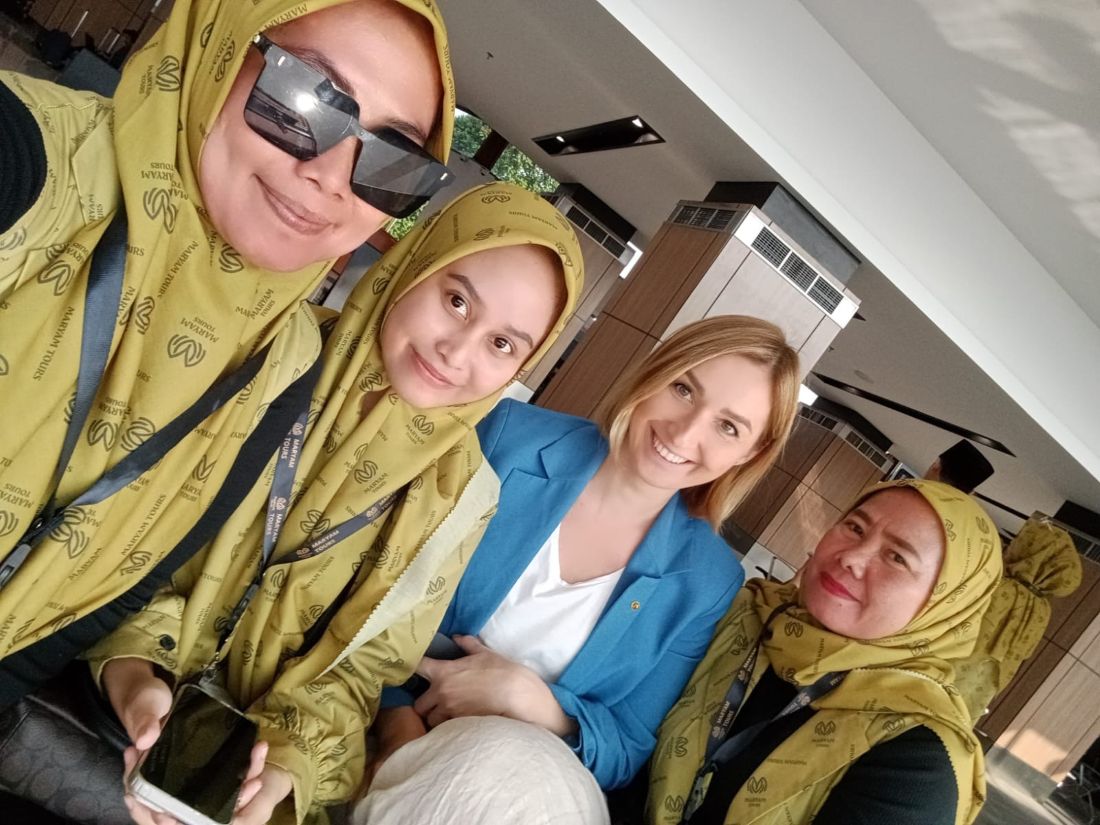
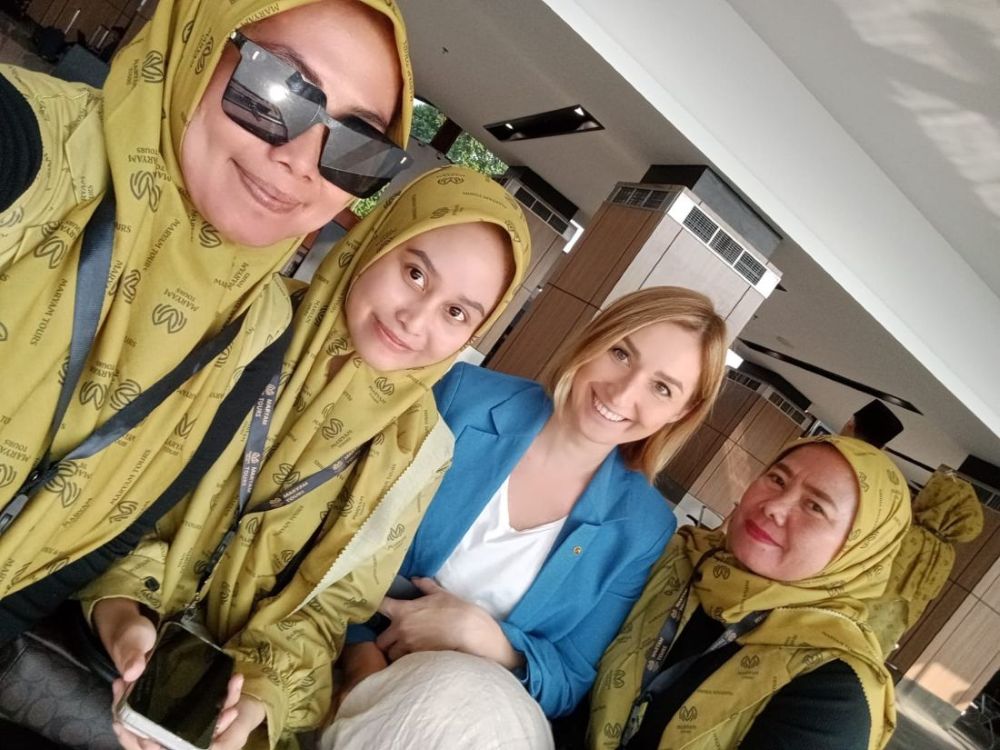
I work directly with group companies from Brazil to Australia, and multiculturalism is what motivates me most in my work. Over the past two years, I’ve gained firsthand experience not only with European countries but also with Australia, Thailand, the Philippines, Malaysia, and Indonesia — with Brazil next on my list.
Each new experience broadens your perspective. Working with a new country is always a challenge, requiring adaptation to local customs, work cultures, and hierarchies — from greetings to decision-making processes.
For example, during a five-day audit in Indonesia, the schedule included two or three prayer breaks each day. It also takes time to adjust to different foods, spices, and cooking methods. I travel extensively, visiting companies across various regions.
When I arrive, I usually stay for at least a month — so people can get to know me, and I can truly understand them. I knew Asian countries were different, but working there revealed just how significant those differences are. In Indonesia, people often respond to stress with a smile, making it hard to tell how a message was received. In Thailand, people tend to be more conservative. These nuances aren’t visible over video calls — you only see them when you spend real time together.
What has this international experience taught you?
It has made me much more flexible. I’ve learned to accept different perspectives and understand why people approach things in their own way. If I want to change established habits, I need to put in real effort. I’ve also learned to accept that I don’t know everything — and that the same goals can be achieved in many different ways, not just the ones I might consider “right.”
These lessons aren’t just useful when working in distant regions; they apply in Europe as well. In some of our European companies, safety managers have been in their roles for ten years or more. You can’t simply say, “This is how it should be.” Emotional intelligence and tolerance — developed through international experience — are essential, especially in my role.
Women in aviation safety leadership are still rare. Do you see progress?
Slowly, yes. Aviation remains a male-dominated industry, so it’s always encouraging to see women becoming aircraft engineers or pilots. I also encourage women to explore administrative roles in aviation and to pursue leadership positions.
Within the group, we run the “Spread Her Wings” mentorship initiative. I’ve been a mentor for two years, and I often find that I learn just as much as the mentees. Many women don’t apply for senior roles, even when they have all the necessary qualifications.
I also frequently attend meetings where most participants are men. In those situations, confidence is key — being bold, speaking up, proposing solutions, making quick decisions, and actively contributing to discussions.
You mentioned emotional intelligence. Research suggests it will be crucial in the future job market. How can it be developed?
Emotional intelligence isn’t something schools or universities teach. Some people may have a natural ability to sense others’ emotions, but it’s also a skill that can be developed. The best way to build it is through real interaction with people and exposure to different cultures — especially by working abroad. Travel alone isn’t enough.
Stepping out of your comfort zone and engaging with people who think differently helps foster openness and maturity. You can go abroad with a task and insist on doing everything your way — but you won’t learn much, and you likely won’t achieve the best results. By embracing others’ experiences and perspectives, your opportunities expand — and so does your emotional intelligence.
And how do you personally get to know other cultures more closely?
My role is quite senior, which is especially noticeable when I travel to Asia, where hierarchy still plays a major role. When I go abroad, I follow a simple rule: I make an effort to connect with local colleagues because I want to understand them, not just manage through a European lens.
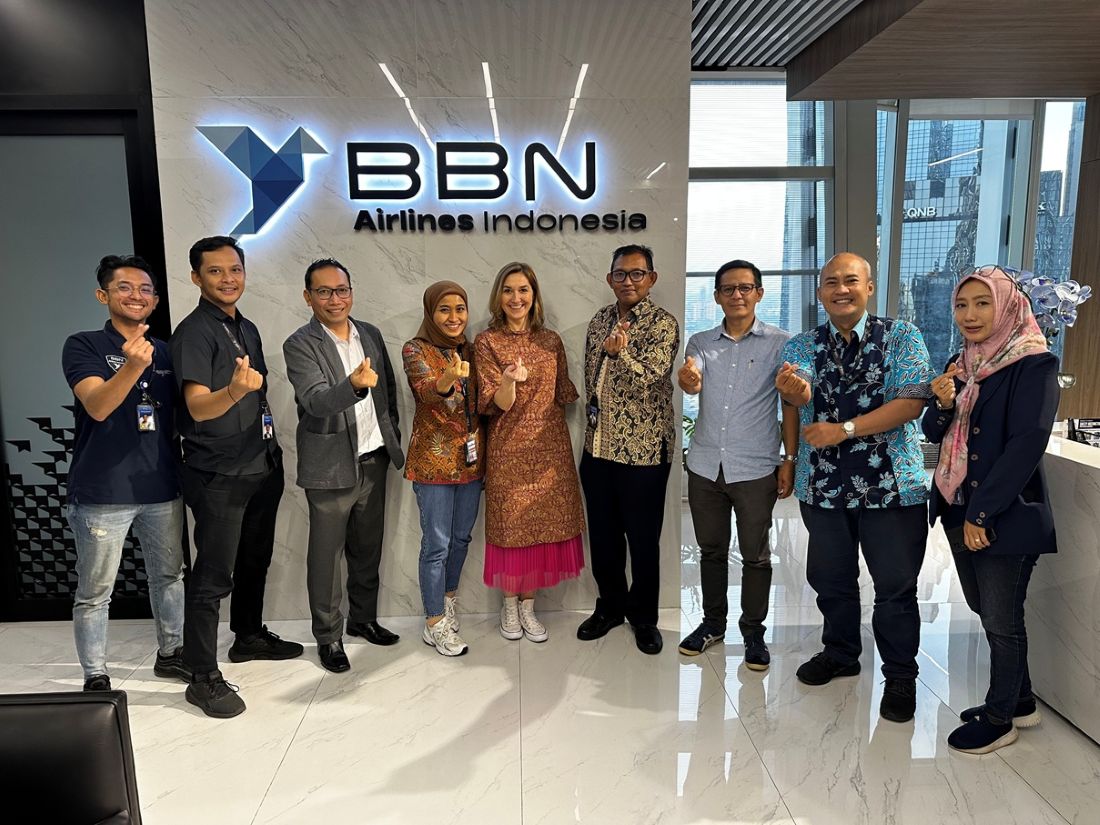
For example, at BBN Airlines Indonesia’s office in Jakarta, there’s a staff canteen — and I was told that managers usually don’t eat there. My colleagues felt uncomfortable inviting me, so I took the initiative and invited them to join me. I’ve done this many times, and it always surprises them. In a way, it’s a learning experience for both sides.
Stepping out of your comfort zone is crucial. You won’t always like what you see or hear, but you need to accept it, process it, and move forward.