Avia Solutions Group in Scandinavia: raising the bar for regional ground handling
 Over the past few years, Irish based Avia Solutions Group has been successfully developing its Scandinavian ground handling business. In 2020, the group acquired regional industry leader Aviator Airport Alliance, now the largest independent ground handling provider in Scandinavia. CEO Jo Alex Tanem talks about operating in this highly demanding market and serving some extraordinary clients.
Pit-stop precision
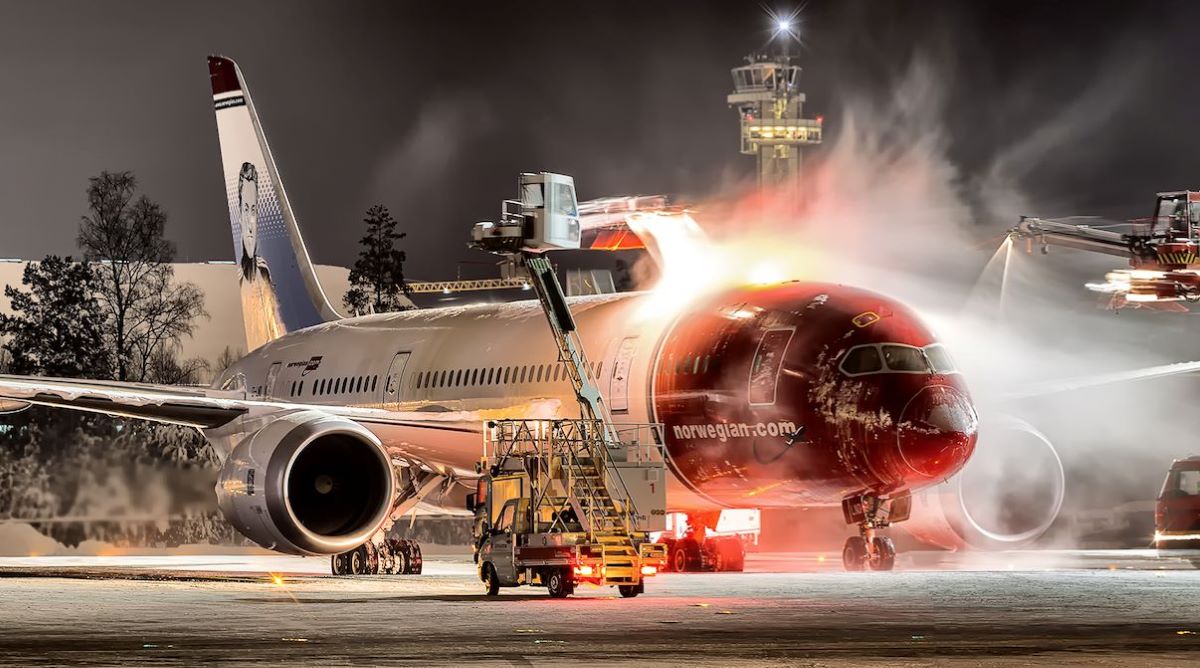
Much of ground handling takes place behind the scenes, yet these services are critical to smooth airline operations. Once an aircraft lands, it must be turned around for its next flight within an extremely tight window – and winter adds the complexity of de-icing procedures. According to Tanem, a Norwegian who has spent more than three decades in aviation, ground handling must be coordinated down to the second.
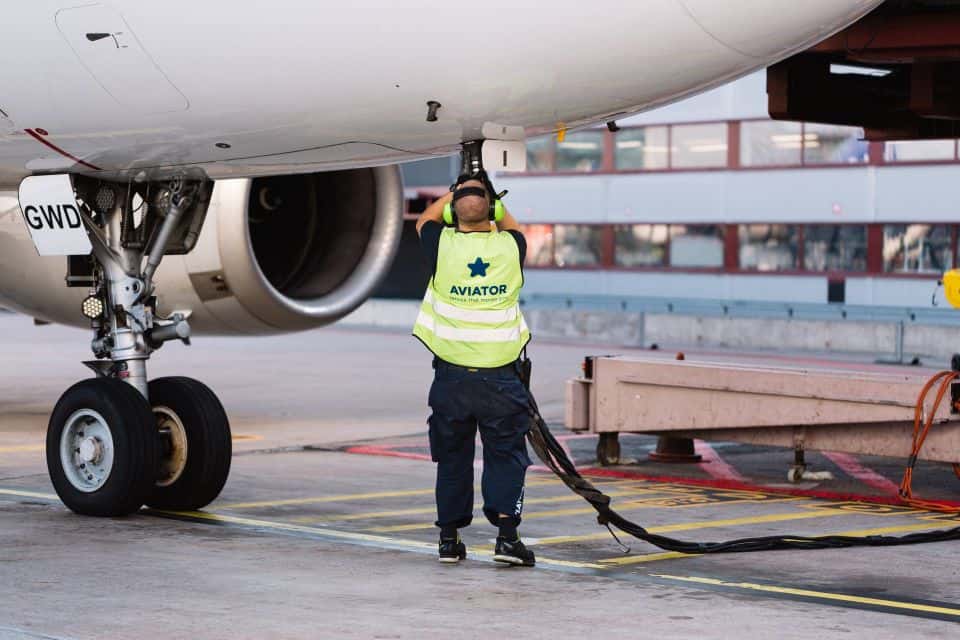
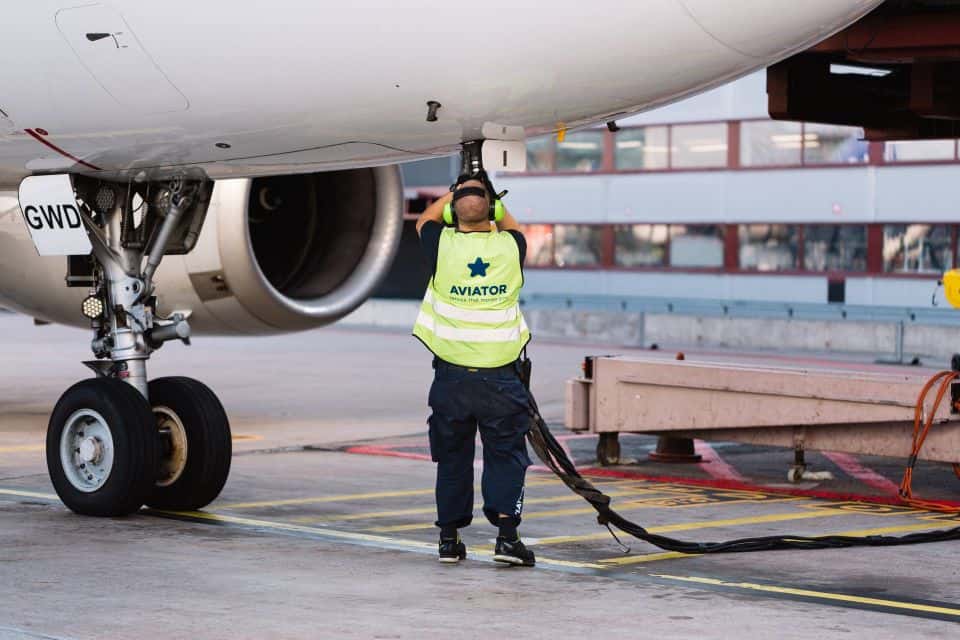
“When an aircraft arrives, we have about 25 minutes until its next departure. In that time, 160 passengers disembark and the same number board; 100-120 bags are unloaded along with cargo – sometimes pets or wheelchairs. Then the hold is loaded again, catering is restocked, and 10-20 tonnes of fuel are pumped in. To make it all happen, we operate like an F1 pit crew: everyone and everything in position, then the moment the aircraft stops, we execute dozens of tasks simultaneously,” Tanem explains.
Aviator handles daily scheduled flights for SAS, Ryanair, Wizz Air, Turkish Airlines, Finnair, Norwegian, Air France, KLM, and many other carriers at airports across Denmark, Sweden, Norway, and Finland. But the company has also dealt with some truly out-of-the-ordinary passengers and cargo.
“One of the Mission: Impossible films was shot in northern Norway, and our team handled the aircraft that flew in the production equipment. Tom Cruise was on also board. Equally memorable was the day we serviced Air Force One in Helsinki when Donald Trump arrived with his wife. That was no ordinary operation – it required exceptional security measures,” Tanem recalls.
Representing the airline
Ground crews must treat passengers as their own customers, not the airline’s, says Tanem –that’s how his company earns the trust of its partners.
“Even major carriers like Lufthansa, Air France, and KLM can't handle ground services themselves at every airport around the world, so they hire us. We must remember that when we check in a Lufthansa passenger at Arlanda, we are Lufthansa to them. That’s an enormous responsibility.”
Yet safety standards matter even more than customer service, he adds. To win contracts, ground handlers must demonstrate top-tier operational performance.
“At the airports where we work, we compete with several other providers – airlines typically invite bids from all of us. The only way to stand out is by proving you’re the best, especially on safety. During servicing, for example, you can’t leave so much as a scratch on the aircraft; even a minor defect can ground a plane. That’s why we invest heavily in training, for both new hires and existing staff. Safety is the first thing airlines evaluate. If you don’t meet their standards, your bid won’t even be considered,” Tanem says.
Sustainability and diversity
Success in ground handling comes down to flexibility – adapting to shifting client needs and volatile flight schedules, Tanem notes.
“We don’t offer a one-size-fits-all package; we tailor our services to each client. But airlines now adjust schedules almost weekly. If demand drops, they swap aircraft, change routes, or cancel flights altogether. We have to keep pace, and that’s challenging – you can’t resize your workforce on a whim. So we focus on efficiency and smart use of technology.”
Aviator was among the first companies worldwide to adopt electric ground handling equipment, replacing diesel-powered machines to cut noise and emissions on the apron. The equipment costs more upfront but is cheaper to maintain – and airlines increasingly value sustainable practices.
“We were the first to deploy an electric belt loader, and we piloted an electric lift that raises ULDs to the aircraft door. We also performed the world’s first pushback of an Airbus A380 using an electric tug. Switching to electric is a major step toward greener operations and a healthier environment for our people,” Tanem says.
A skilled workforce is equally vital. According to Tanem, candidates are drawn to Aviator by its openness and inclusive culture.
“In the Nordics, pay across ground handlers is broadly similar thanks to strong unions. What sets employers apart is how they treat people. We work hard to offer everyone equal opportunities and actively encourage women to join the industry. At our Gothenburg station, women already make up nearly a quarter of the ramp team.”
From Scandinavia to the world
Tanem’s ambition for Aviator stretches well beyond the Nordics – he envisions the company operating in Asia, Africa, and the Americas. Growth will come partly through collaboration with sister companies in the Avia Solutions Group portfolio, such as Baltic Ground Services (BGS), which provides ground handling across Central and Eastern Europe.
“Partnerships like this are invaluable – they open doors to new markets and help us align our services. Although Aviator and BGS are separate entities, we work closely together and are jointly exploring opportunities worldwide. In January 2026, we’ll unveil a new company strategy. Expect to see Aviator and BGS expanding well beyond the Nordics and Europe,” Tanem says.